When you click the link, it will take you to the corresponding page.
ゴマサバ・串盛り・ステーキコース
野菜サラダ
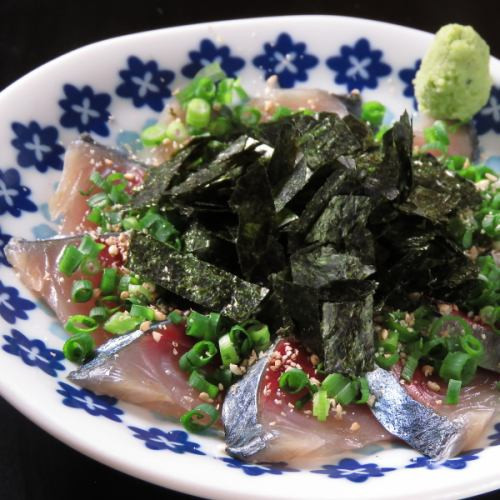
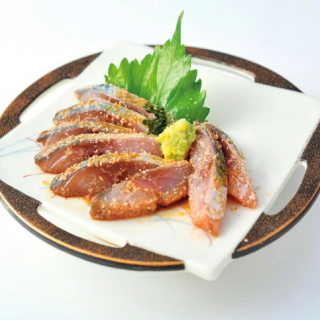
ゴマサバ
帆立バター焼き
揚げ餃子
串盛り
本日のおすすめ
イカ唐揚げ
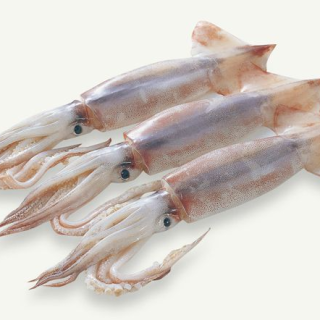
The Japanese name is cuttlefish イカ. It is used in various dishes such as sashimi, sushi, deep-fried, grilled, etc. Squid is indispensable in the grid of sushi. The origin of the Chinese character "squid烏賊" is a story recorded in the ancient Chinese book Nanyue Zhi. It originated from the story of a crow approaching a squid pretending to be dead and floating on the sea. The squid wrapped its legs around the crow and dragged it into the water. But, in the ecosystem, squid predation on crows has not been confirmed. Therefore, a saying is also that "烏black" is used only when squid ink is black. Types of squid commonly used in Japanese cuisine include: Yariika槍烏賊Arrow Squid, Surumeika鯣烏賊Japanese flying squid, Kensakiika剣先烏賊spear squid, Aoriika障泥烏賊patterned squid, Hotaruika蛍烏賊firefly squid, Kouika甲烏賊Giant Squid, and Mongoika 紋甲烏賊Flamboyant cuttlefish.
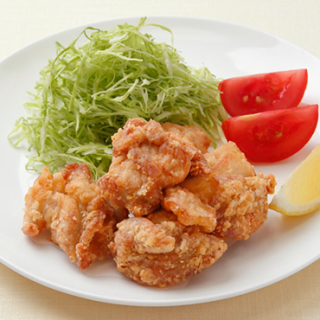
Karaage (唐揚げ) is a dish where the ingredients are coated in a thin layer of flour and fried in oil without any additional batter. When you hear the word Karaage, you might first think of fried chicken, but it can also refer to fried fish or vegetables that are coated in flour and fried. The most common cut of chicken used in Karaage is thigh meat. The "Kara" (唐) in Karaage refers to the Tang Dynasty in China, where the frying technique is said to have originated. At that time, tofu was used instead of chicken. However, with the development of the poultry industry in Japan, Karaage made with chicken is now the most popular variation. There is a similar dish called Tatsutaage (竜田揚げ), but the difference is that Karaage is mainly made with flour, while Tatsutaage is made with only potato starch. Since Tatsutaage is coated in potato starch, it has a characteristic light color. Another difference is that originally Karaage was not marinated, but Tatsutaage is marinated before frying. Nowadays, even Karaage is usually marinated, so the main difference between the two dishes is the type of flour used. When you order Karaage at a Japanese restaurant, it usually comes with a slice of lemon that you can sprinkle over the dish. However, there is an unspoken rule that you should not add the lemon without the consent of the person you're dining with, since some people prefer to enjoy the original taste of the Karaage without the lemon. It's similar to how you shouldn't pour sauce over someone's portion of tangsuyuk (sweet and sour pork) without checking if they want it
サイコロステーキ
広島風モダン焼き